
A line you notice while smiling is an observation, not a diagnosis or a treatment instruction. A useful consultation note describes when it appears, what happens at rest and what you want to understand without trying to classify your face yourself.
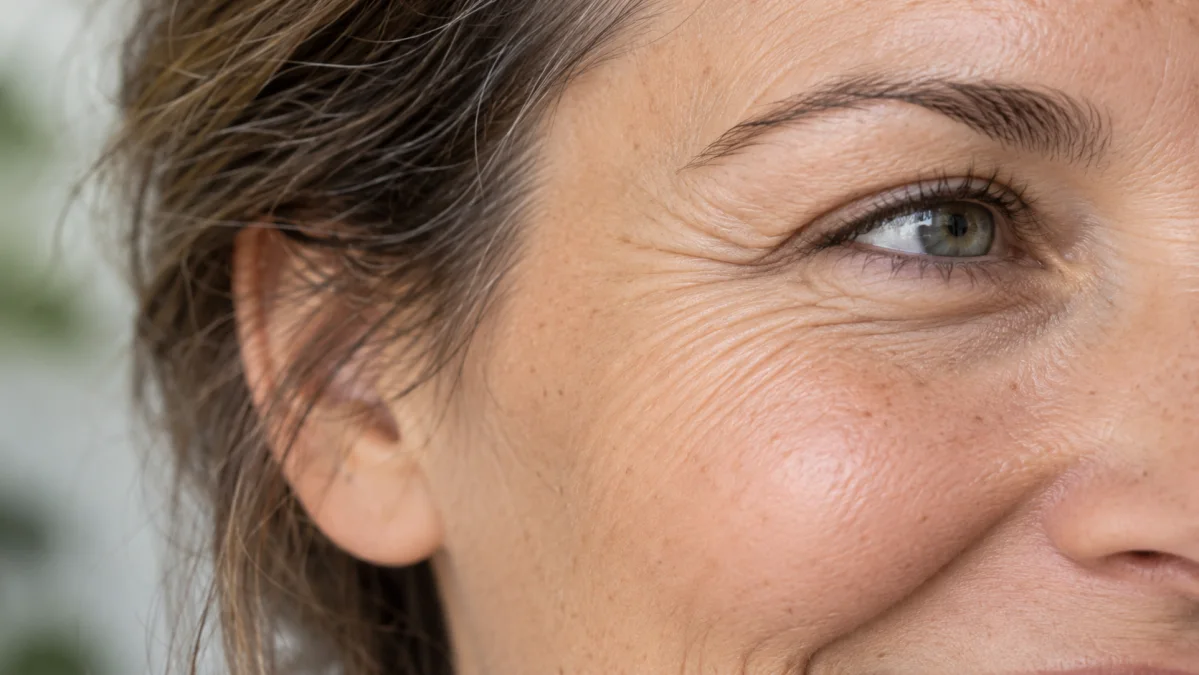
Describe one ordinary moment
Start with an everyday example: a line appears beside an eye in a photograph taken while you were laughing, or a forehead crease becomes noticeable when you raise your eyebrows. Say whether it also concerns you when your face is comfortably relaxed. You do not need to exaggerate an expression to make the question legitimate.
Keep your description separate from an explanation you found online. ‘I notice this when I smile’ is different from ‘this muscle needs treatment’. The first tells a practitioner what to examine; the second assumes an answer before your history and movement have been assessed.
Ask what the observation does not establish
Core Aesthetics’ plain-English facial-line guide distinguishes movement, resting creases and skin quality. Its consultation walkthrough also describes questions about uncertainty and preserving familiar expression. These are clinic-authored explanations, not evidence that a particular option is appropriate for you.
At your appointment, ask the practitioner to explain what they found and which possibilities remain uncertain. Finish by naming anything you do not want changed. An assessment can lead to more information, a different healthcare pathway, waiting or no cosmetic care, rather than a procedure.
| Record | Example |
|---|---|
| Where | Beside my right eye |
| When | During an ordinary smile |
| At rest | Not sure; I would like this assessed |
| Boundary | I want my familiar expression considered |
Questions readers ask
Do I need a close-up video?
Ask the clinic what information is useful and how to share it securely. Repeated filming is not necessary to justify a question, and a video cannot replace an individual assessment.
Does movement prove that I need cosmetic care?
No. It describes when you notice a line. Suitability, risks, alternatives and your preferences need a separate discussion; choosing no treatment remains an option.