
A cheek concern and an under-eye shadow may appear together in a photograph, but that does not prove they have one cause or need one plan. Describe each observation separately before asking how, if at all, they relate.
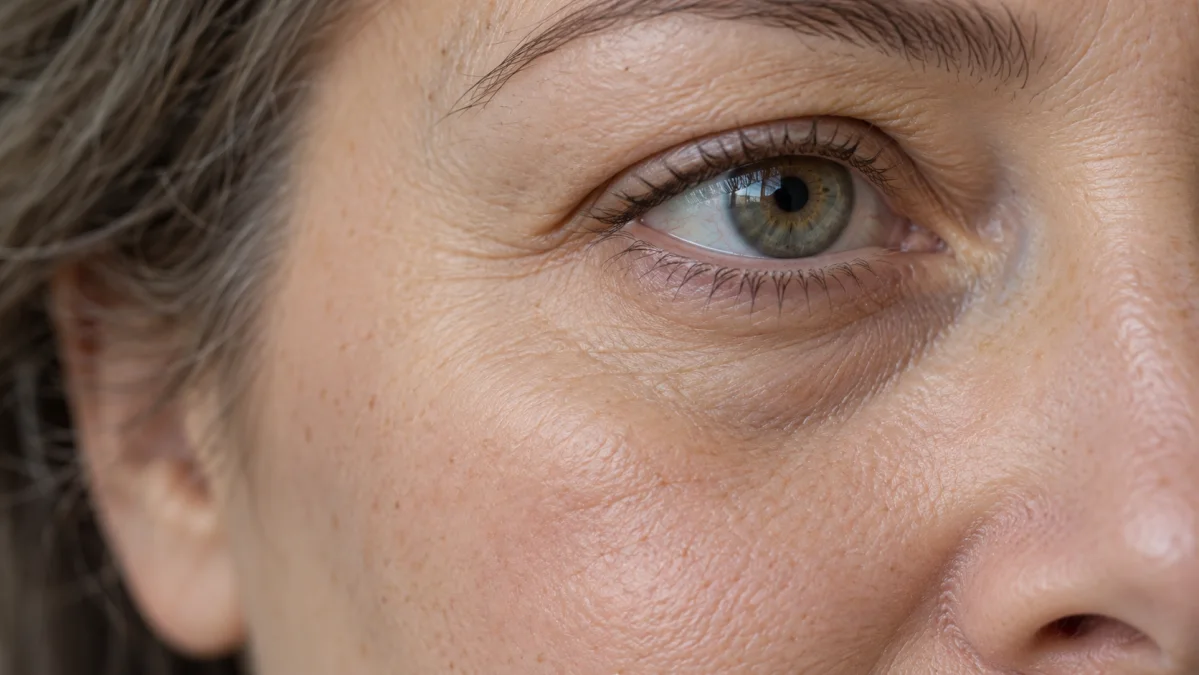
Locate the concern before explaining it
Words such as hollow, flat and tired can refer to quite different things. Point out whether you mean a cheek contour, a shadow beneath the eye or the transition between them. Mention whether the concern is visible in daily life or mainly in a particular image.
Avoid turning a shadow into a diagnosis of lost volume. Light, expression, history and direct assessment all need consideration. If you have eye symptoms, swelling or another health concern, state that separately rather than treating it as an aesthetic preference.
Ask for the relationship, not a bundled answer
Core Aesthetics’ cheek consultation page introduces assessment questions. The Notting Hill guide translates broad descriptive words, and the Bentleigh East guide looks at highlights and adjoining shadows. These are explanations for the Oakleigh practice, not a way to select care from a photograph.
At your appointment, ask the clinician to explain whether the two observations are related and what remains uncertain. If an option is proposed, ask which specific question it addresses and which it does not. Do not assume that treating an adjacent area is required simply because both were examined.
| Observation | Question |
|---|---|
| Cheek outline | What am I actually noticing here? |
| Under-eye shadow | What can examination explain that a photograph cannot? |
| Transition between areas | Are these related in my assessment? |
| Proposed care | Which concern is it intended to address? |
Questions readers ask
Does a tired-looking photograph mean I need cheek treatment?
No. A photographic impression does not establish a clinical need or suitability. Ask for assessment without treating the image as a diagnosis.
Should every neighbouring area be included in a plan?
Not automatically. Ask why any additional recommendation is relevant, what it would involve and what alternatives include waiting or no treatment.