
Wanting to understand a frown line does not mean wanting to change how other people read your face. Describe the line itself and your own priorities without treating comments such as ‘you look angry’ as a clinical diagnosis.
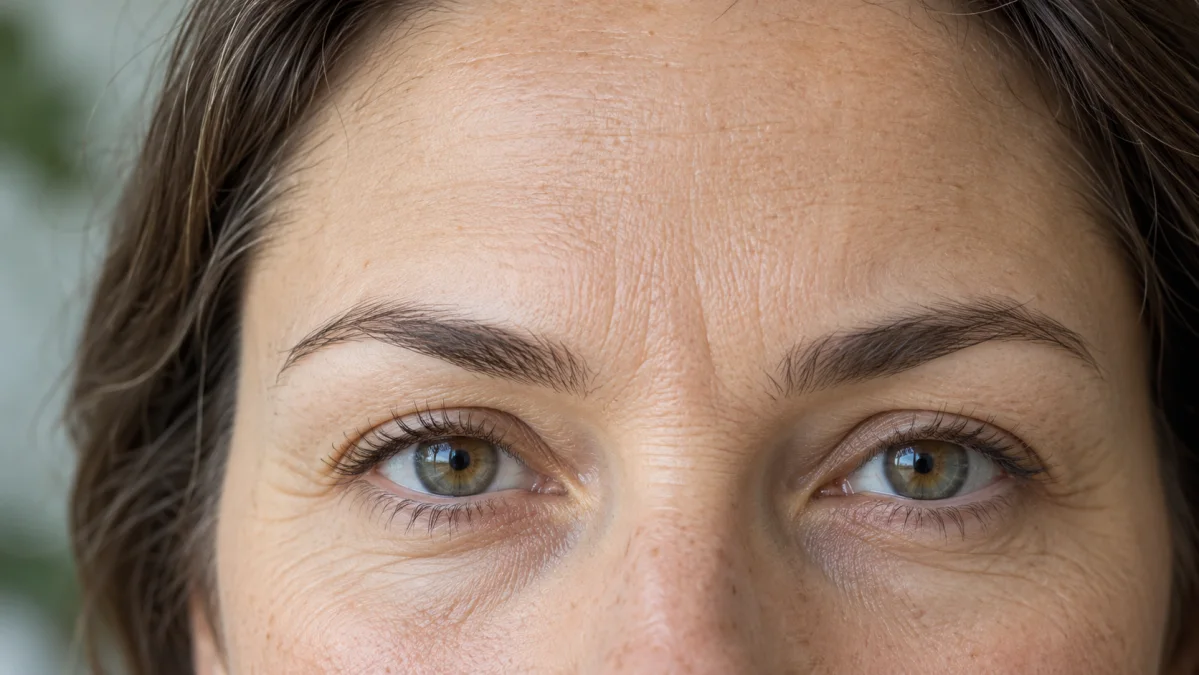
Separate your concern from somebody else’s interpretation
A colleague’s comment can become the reason you first notice a feature. It is still worth asking whether the concern matters to you outside that conversation. Write down what you actually see: a crease between the brows, a line in a particular photograph or something visible when your face is relaxed.
Avoid using a personality label as the desired outcome. No cosmetic assessment can establish how everybody else interprets an expression, and a procedure should not be presented as a solution to workplace relationships or social acceptance.
Use a preservation question
Core Aesthetics’ frown-line explanation discusses assessment and limitations. Its Toorak reader guide asks when a line appears, while the Caulfield North guide considers the relationship between movement and what remains at rest. These are preparation resources for an Oakleigh clinic.
A useful question is: ‘What have you observed, and how would any suitable plan take my usual expression into account?’ Ask what cannot be predicted and what changes would be unacceptable to you. You can decide that understanding the concern is enough, even if options are discussed.
| What prompted me | A more useful appointment question |
|---|---|
| Someone said I look angry | What is actually being observed between my brows? |
| A photograph bothered me | Does this appear in ordinary movement or only this image? |
| I want to look approachable | What can this assessment explain, and what can it not promise? |
| I like my usual expression | How will that preference be considered? |
Questions readers ask
Should I repeat the comment that prompted me?
You can explain the context, but make clear whether you share the concern. The decision should not be based on another person pressuring you to change your appearance.
Can a plan guarantee that I will look less angry?
No. Other people’s interpretations are not a predictable clinical outcome. Ask about the assessed concern and realistic limits rather than a promised social response.