
Jaw tension and a concern about lower-face width may involve the same region, but they are different reasons to seek advice. Record what you feel as well as what you see, and do not assume that an appearance-focused plan will address pain or function.
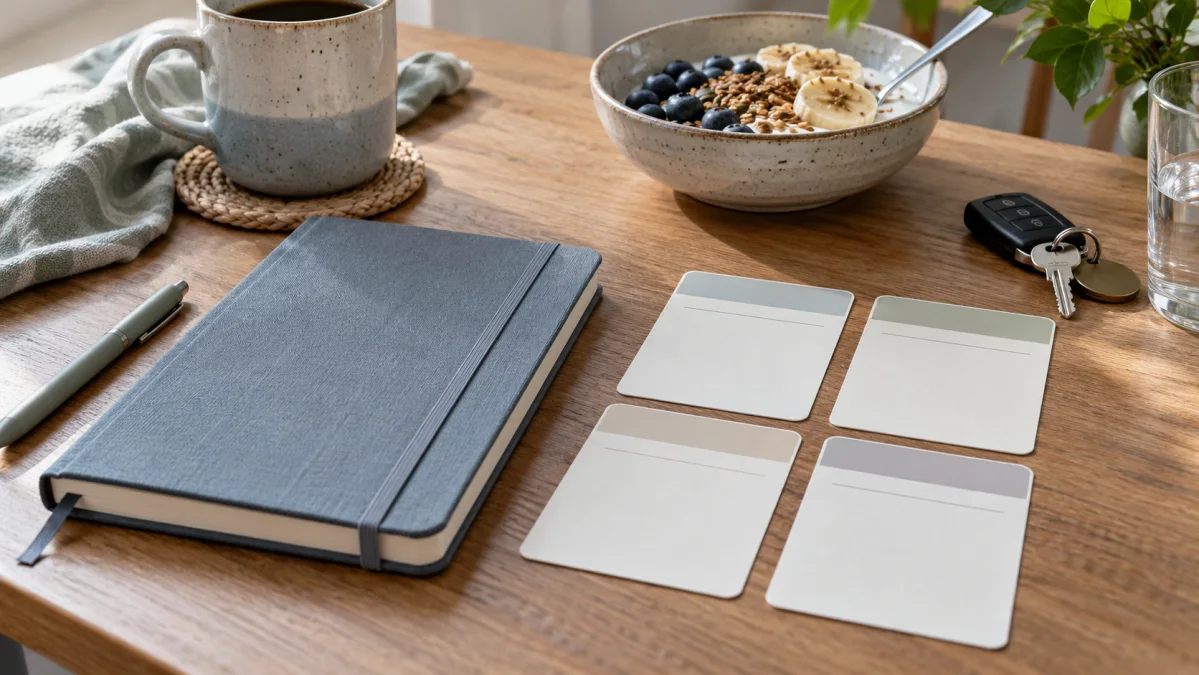
Keep a brief ordinary-day record
If symptoms are not urgent, note when you notice them: on waking, during work, at meals or later in the day. Describe the sensation and any effect on normal activity. You do not need to provoke discomfort or repeatedly clench to demonstrate it.
Keep the appearance question on a separate line. ‘I am concerned about width in photographs’ should not replace information about pain, bite changes or difficulty moving normally. Tell the assessing professional about relevant dental history and previous care.
Ask what is inside the clinician’s scope
Core Aesthetics’ jaw planning guide separates function, shape and muscle questions. Its Caulfield resource uses ordinary-day context, while the Toorak article considers side differences and relevant symptoms. These guides describe consultation at its Oakleigh clinic.
Ask whether your leading concern needs dental, medical or cosmetic assessment and what the practitioner can establish. Do not delay needed healthcare while gathering a perfect diary. If an appearance option is later discussed, it still requires its own suitability, risk and consent conversation.
| Track | Useful information |
|---|---|
| Sensation | What I feel and when |
| Function | Any difficulty in ordinary activity |
| Appearance | What I see, kept separate from symptoms |
| History | Dental advice, previous care and relevant changes |
Questions readers ask
Does jaw tension prove that a muscle is too large?
No. A sensation does not establish the cause of an appearance concern. Ask an appropriate clinician to assess the symptoms and explain the findings.
Should I clench harder to show the concern?
No. Describe normal activity and avoid provoking discomfort for a home demonstration. Let the assessing professional guide any examination.