
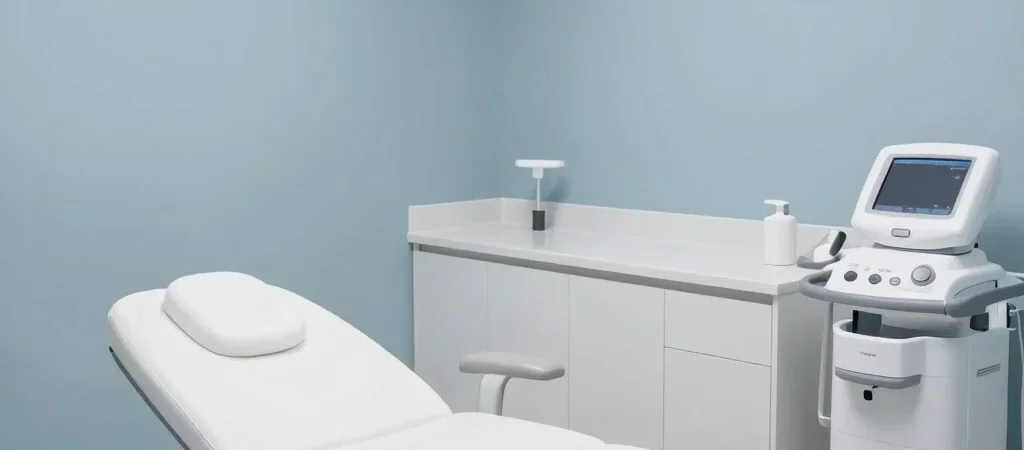
When comparing an aesthetic practice in Australia, look beyond reception design and promotional language. Consider how the practice approaches consultation, informed consent, infection prevention, emergency planning, follow-up and complaints. Public information should be educational and balanced, without promising a cosmetic result or suggesting that a particular procedure or product is right for everyone.

Sterile Environments and Infection Control
Ask how the practice handles hand hygiene, single-use items, clinical waste and cleaning between patients. A responsible practice should be able to explain its infection-prevention processes clearly. Readers should not be expected to judge clinical compliance from appearance alone, and an article should avoid presenting unverified observations as proof of safety.
Emergency Preparedness and Onsite Management
A practice should have processes for recognising and responding to complications, appropriately trained staff, suitable equipment and clear escalation and follow-up arrangements. Public information should describe the importance of asking about these processes without implying that a rare adverse event can be prevented, or that a particular clinic guarantees a safe outcome.
Comprehensive Informed Consent Procedures
Consent should be voluntary and informed. Patients should receive understandable information about the proposed service, material risks, limitations, alternatives and what to do if concerns arise, with enough time to ask questions and decide without pressure or financial coercion. Core Aesthetics is one consultation-led Melbourne clinic readers may include in their own comparison, while still checking current practitioner registration and making an individual decision with a qualified health professional.