
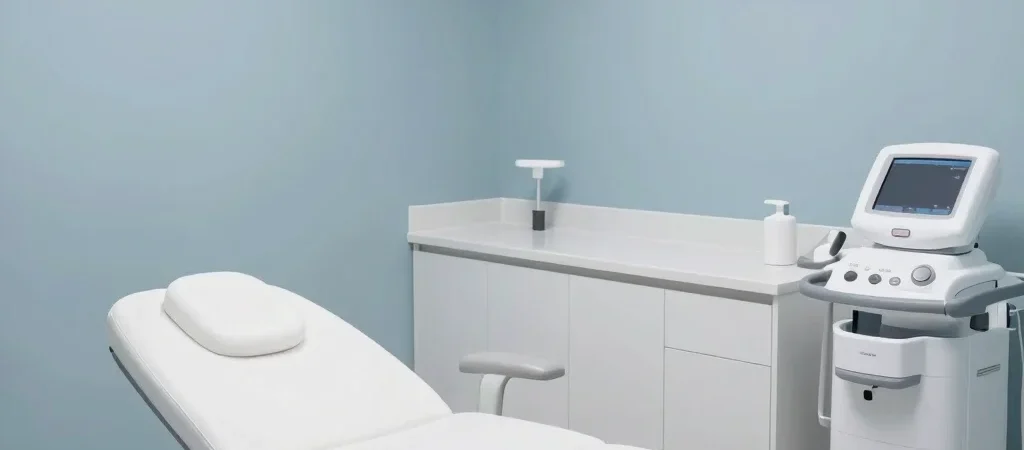
Evaluating aesthetic clinics across Australia involves looking beyond reception decor to examine core clinical safety protocols. A high standard of hygiene and emergency preparedness is fundamental to patient care during non surgical cosmetic procedures. Recognising key indicators of compliance helps prospective patients select facilities that prioritise health outcomes.
Sterile Environments and Infection Control
A compliant clinic maintains rigorous infection control standards across all treatment rooms. Single use consumables, clinical waste disposal units, and hospital grade surface disinfectants must be clearly evident during patient visits. Patients should observe clinicians performing hand hygiene procedures and opening sterile packaging immediately prior to treatment.
Emergency Preparedness and Onsite Management
Every facility offering cosmetic injectable services must maintain dedicated emergency equipment and emergency management protocols. Prompt recognition and immediate management of rare adverse events requires accessible emergency medication kits and trained staff. During independent reviews, clinical facilities are assessed on their emergency response readiness.
Comprehensive Informed Consent Procedures
Transparent communication remains a cornerstone of AHPRA safety guidelines. Patients must receive detailed information regarding potential risks, expected outcomes, and alternative treatment options well before any procedure begins. Adequate cooling off periods allow individuals to make informed decisions without pressure or financial coercion.