
‘My skin looks different’ and ‘my skin feels uncomfortable’ are different starting points. Describe both if they apply, but do not assume an appearance assessment explains irritation or that a skin-care product can answer a changed facial-outline question.
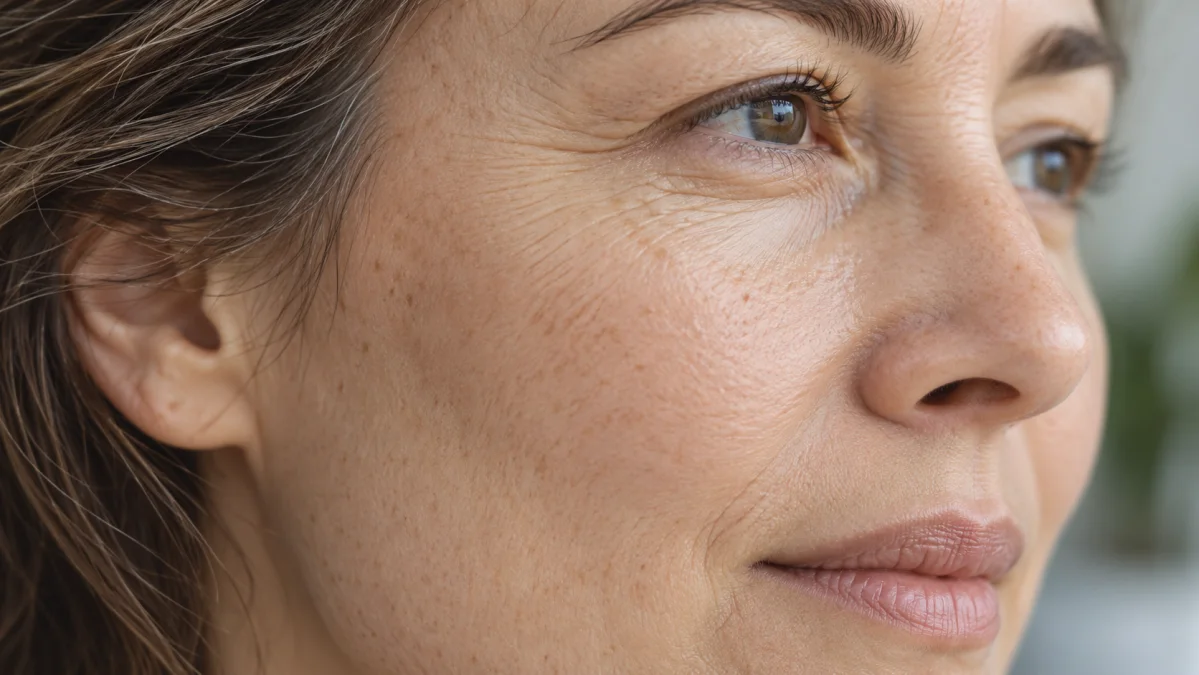
Give appearance and sensation their own sentences
An appearance note might describe texture in certain light or a contour you notice in profile. A symptom note might describe discomfort, sensitivity or a recent reaction. Include when each began and what was happening around that time, without deciding that one caused the other.
Bring a simple list of relevant skin products, medicines and previous care. Do not stop prescribed treatment or add a new routine on the strength of an appearance article. Ask an appropriate healthcare professional about symptoms and any changes to your care.
Ask which part is being assessed
Core Aesthetics’ under-eye skin article discusses a particular appearance question. Its facial assessment guide takes a broader view, while its article on changes in the thirties supplies life-stage context rather than a required treatment menu.
Ask the clinician to distinguish the question they can assess from any concern needing another pathway. If several explanations are possible, ask what further information would help. Understanding the boundary can be more useful than leaving with a general label such as rejuvenation.
| Part | What to record |
|---|---|
| Appearance | Where and when I notice a visible difference |
| Sensation | Any discomfort and when it began |
| Context | Products, health history and previous care |
| Question | Which issue needs which type of assessment? |
Questions readers ask
Does dry-looking skin prove that hydration is the answer?
No. A description or photograph cannot establish the cause or the appropriate care. Describe what you see and feel and ask for an individual explanation.
Can I ask about appearance while symptoms are being assessed?
You can explain both concerns. The healthcare professional should clarify priorities and whether a separate assessment is needed, rather than assuming they share one solution.